
Old Vines on Mount Etna: What really changes in wine?
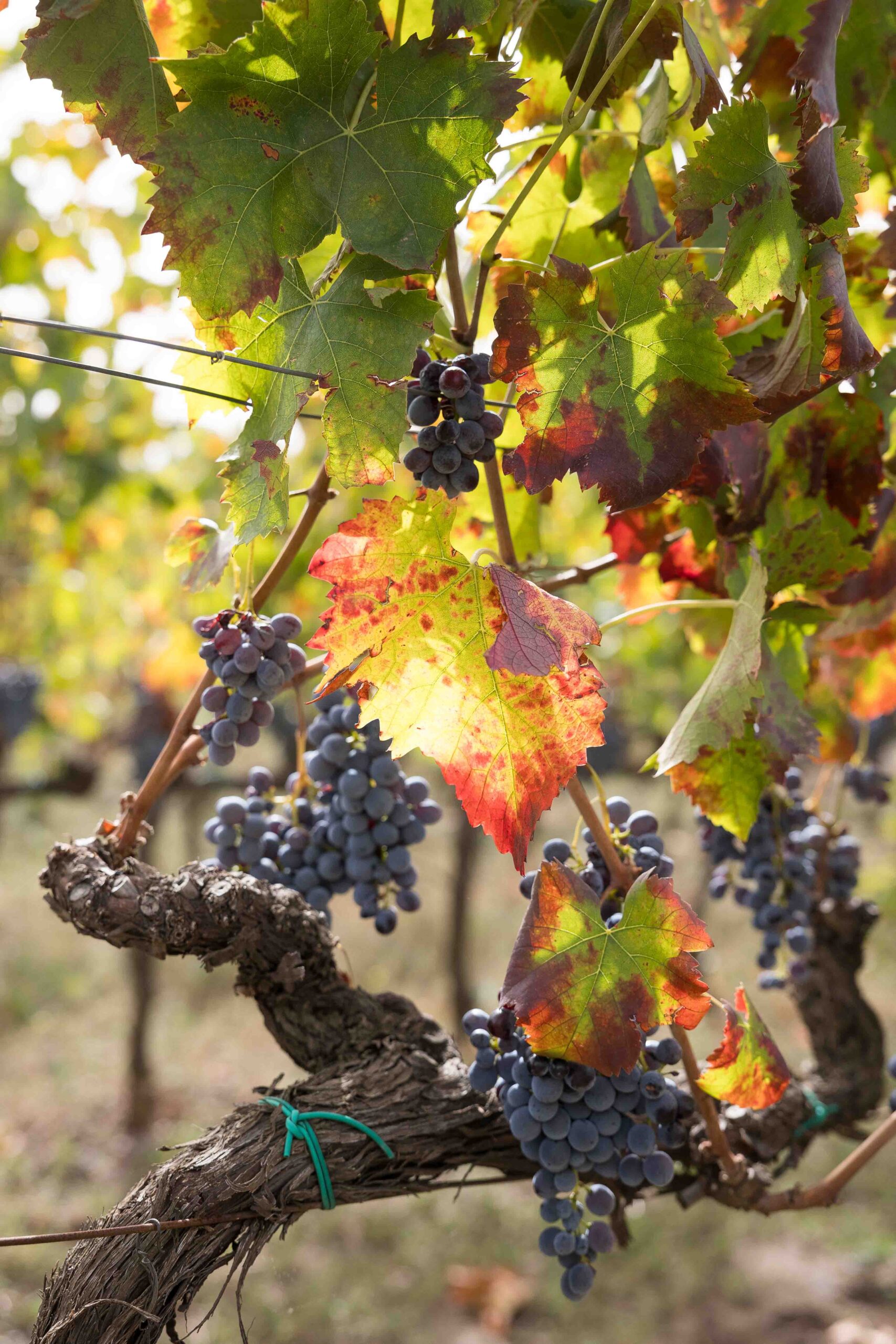
An in-depth look at the value of mature vines, exploring plant physiology, vineyard history, and the work of the winegrower.
In the world of wine, old vines hold a special place. They are often associated with more complex wines, superior quality, and a deeper connection to the land. But what does it truly mean to cultivate vines that have weathered decades of seasons? And to what extent does the quality of a wine depend on the age of the vines?
To answer this, it is worth viewing old vines not merely as a feature of the landscape, but as agricultural systems that have evolved over time—shaped by environmental conditions, human intervention, and various changes that leave their mark on the life of the plants.
A vine changes as the years go by
The grapevine is a perennial plant, capable of remaining productive for many decades. Throughout its lifespan, it develops a trunk and permanent woody structures which, together with its roots and canopy, sustain the plant’s vital functions.
Over time, the size of the trunk, the organization of the vegetation, the productive capacity, and the way the vine responds to its environment can all shift. However, there is no single, uniform path for every plant; factors such as grape variety, rootstock, soil composition, water availability, climate, and cultivation practices all play a role in shaping its development.
For this reason, it is not easy to define a specific age at which a vine necessarily acquires superior characteristics. Longevity alone is no guarantee of quality.
Do old vines produce better wines?
While this is a widely held belief, scientific research suggests it should be approached with greater nuance.
Certain studies have identified differences between vines of varying ages in terms of growth, productivity, and the progression of grape ripening. However, the results are not always the same; they depend on the conditions in which the vines are grown.
A study on Riesling, conducted in Germany, revealed that younger vines were more sensitive to water scarcity under certain conditions, while intermediate and older vines showed more similar responses. The same research identified grapevine trunk diseases as a primary cause of decline in older vines.
Another study, focusing on Zinfandel in California, compared young vines with those 40–60 years old, finding differences in productivity as well as in the composition of the grapes and the resulting wines. These findings show that age can be associated with distinct characteristics, but they do not justify establishing a universal rule that applies to all vineyards.
The key point is this: age alone does not determine wine quality. To understand the characteristics of an old vineyard, one must also consider its location, its state of health, the plant material used, and how it is cultivated.
The value of a vineyard is built over time
There is another aspect that makes old vineyards compelling: the history they hold.
A vineyard cultivated for many years is the result of an ongoing relationship between the plants, the environment, and the people. Over time, it may preserve grape varieties and plant material of particular interest, alongside specific training systems, agricultural practices, and knowledge that are part of a region’s viticultural history.
This heritage is not merely a matter of chronological age. It is tied to the vineyard’s continuity, its identity, and the ability to keep it productive without compromising its health.
Indeed, preserving old vineyards requires careful attention. The plants may be more susceptible to issues such as grapevine trunk diseases and the gradual deterioration of their permanent structures. Managing pruning, preventing infections, and caring for individual plants thus become crucial aspects of extending their lifespan.
In this sense, an old vineyard is not an asset that preserves itself; it is a living system that requires both knowledge and labor.
Pignatuni Vecchie Vigne: A Story worth knowing
For the Statella family, Pignatuni Vecchie Vigne represents one of the most significant projects in their production. The wine originates in the territory of Randazzo, within a viticultural landscape where knowing the provenance of the grapes is an essential part of the narrative.
While the name draws attention to the old vines, it is the vineyard as a whole that deserves to be understood: its location, the varieties present, the conditions in which the plants grow, and the decisions required to nurture them over time.
These elements provide a foundation for a more informed appreciation of the wine—one that avoids attributing characteristics solely to the age of the vines, recognizing instead that they stem from a complex interplay of factors.
Getting to know an old vineyard means looking beyond the mere number of years. It means understanding what has been passed down to us, how it is cultivated today, and the effort required to keep it in balance.
Time alone is not enough
Old vineyards hold a value that transcends the expectations placed on the wine they produce. They can safeguard genetic diversity, agricultural heritage, and viticultural practices deeply rooted in the history of a specific territory. Yet, maintaining them demands expertise, care, and a vigilant approach to the health of the vines.
Even on Mount Etna—where vineyards exist within diverse environmental settings—each individual plot must be understood in terms of its own unique characteristics.
That is why, when we talk about *Pignatuni Vecchie Vigne*, we choose not to focus solely on the age of the vines. What matters most to us is the inherent value of the vineyard itself and the work required to continue its cultivation.
Because an old vineyard tells a story that goes beyond the simple passage of time; it speaks to everything that was necessary to reach the present day.